
Outpatient Cataract Surgery: What to Expect
Cataract surgery is among the most common outpatient procedures in modern eye care, and understanding the sequence of events tends to ease much of the anxiety patients feel beforehand. This article explains what to expect before, during, and after surgery at an ambulatory surgery center.
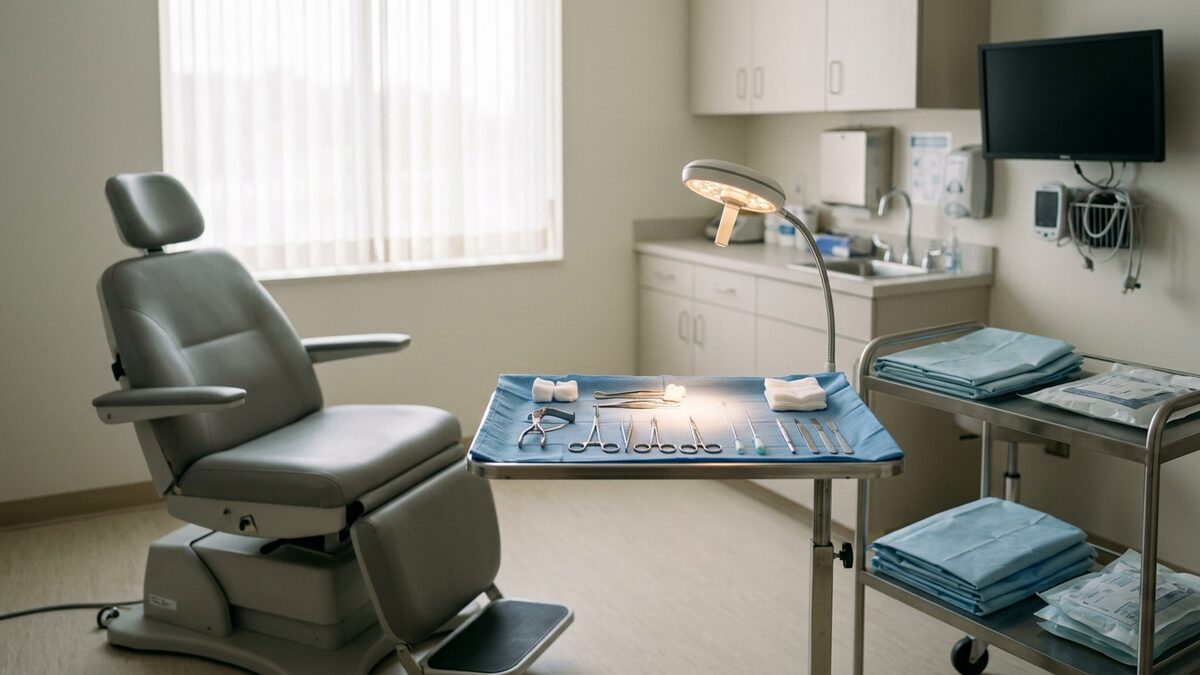
In the weeks leading up to surgery, patients typically complete a preoperative evaluation. During this visit, providers measure the eye and take detailed readings that help determine the power of the replacement lens. These measurements matter, because the artificial lens is selected specifically for each eye. Patients are usually asked to share a full list of current medications, including anything taken for blood pressure or blood thinning, since the clinical team may adjust instructions accordingly.
Part of the preoperative discussion involves the type of replacement lens. Standard monofocal lenses are set for a single focal distance, while other lens designs aim to reduce dependence on glasses at multiple distances. The clinical team reviews the options in the context of your eyes, your daily activities, and your visual goals, so that the choice reflects your circumstances rather than a one-size answer. This is a good time to ask questions and to raise any concerns about cost or expectations.
You will also receive guidance on eating and drinking before the appointment. Many surgery centers ask patients to avoid food for several hours beforehand, and to arrange a ride home, because the sedation used during the procedure makes driving unsafe for the rest of the day. Wearing loose, comfortable clothing and leaving valuables at home tends to simplify the morning.
What happens on the day of your cataract surgery
On arrival at the ambulatory surgery center, staff confirm your identity, the eye being treated, and your health history. A nurse places dilating drops to widen the pupil, and often numbing drops to prepare the surface of the eye. Some centers add a light sedative to help you relax; you remain awake but comfortable, and general anesthesia is rarely needed for a routine cataract procedure.
The surgery itself is usually brief, often lasting around fifteen to thirty minutes. The surgeon makes a very small opening at the edge of the cornea, gently breaks up the clouded natural lens, and removes it. A clear artificial lens is then positioned in place. Because the incision is tiny, stitches are frequently unnecessary. Throughout the procedure you may notice light, movement, and mild pressure, though the numbing medication is intended to keep the experience free of sharp pain.
It is normal to feel nervous about being awake during eye surgery. In practice, the combination of numbing medication and light sedation keeps most patients relaxed, and the surgical team talks you through each step. You will be asked to look toward a light and to hold reasonably still, but small movements are expected and the surgeon accounts for them. If you feel uncomfortable at any point, letting the team know allows them to adjust.
After the surgeon finishes, a shield or patch may be placed over the eye. You then rest in a recovery area while the sedation begins to wear off. Once staff confirm you are stable and alert, they review your discharge instructions and send you home with your driver. Most patients are at the center for only a few hours in total.
Recovery expectations after outpatient cataract surgery
Vision is often blurry immediately after surgery and tends to sharpen over the following days as the eye settles. Some patients notice mild itching, watering, or a gritty sensation; these feelings are common in the early recovery window and usually ease with time. Providers generally prescribe medicated drops to reduce inflammation and lower the risk of infection, and following the drop schedule closely is one of the most important parts of healing.
During the first week, patients are typically advised to avoid rubbing the eye, to skip heavy lifting and strenuous activity, and to keep water and soap out of the eye while showering. Sunglasses can help with light sensitivity outdoors. A protective shield is often recommended at night to prevent accidental pressure during sleep. Follow-up visits are scheduled so the clinical team can monitor healing and confirm the eye is responding as expected.
Many everyday activities can resume sooner than patients expect. Reading, watching television, and light walking are generally fine within a day or two, guided by comfort. More strenuous exercise, swimming, and dusty or dirty environments are usually postponed until a follow-up visit clears them. Driving typically resumes once vision meets the legal standard and your provider agrees it is safe, which for many people is within a few days.
Every recovery is individual, and the pace of visual improvement varies from person to person. Certain symptoms warrant a prompt call to your provider: increasing pain that is not relieved by the recommended approach, worsening rather than improving vision, persistent flashes of light, or a sudden increase in floaters. These are uncommon, but reporting them early allows the team to respond quickly.
If both eyes have cataracts, surgery is usually performed on one eye at a time, with the second procedure scheduled after the first has healed. Many patients find that planning ahead, arranging help at home for the first day or two, and setting up their drop bottles in advance makes the recovery period smoother.
This article is informational and is not medical advice. Treatment options should always be made in consultation with a qualified physician.