
Outpatient Endoscopy: How to Prepare for a Same-Day GI Procedure
A same-day gastrointestinal procedure can feel abstract until the day arrives, when a series of small logistics suddenly matter a great deal. This orientation walks through what an outpatient upper endoscopy or colonoscopy generally involves, from the reasons behind fasting and bowel preparation to the ride home your care team will ask you to arrange in advance.
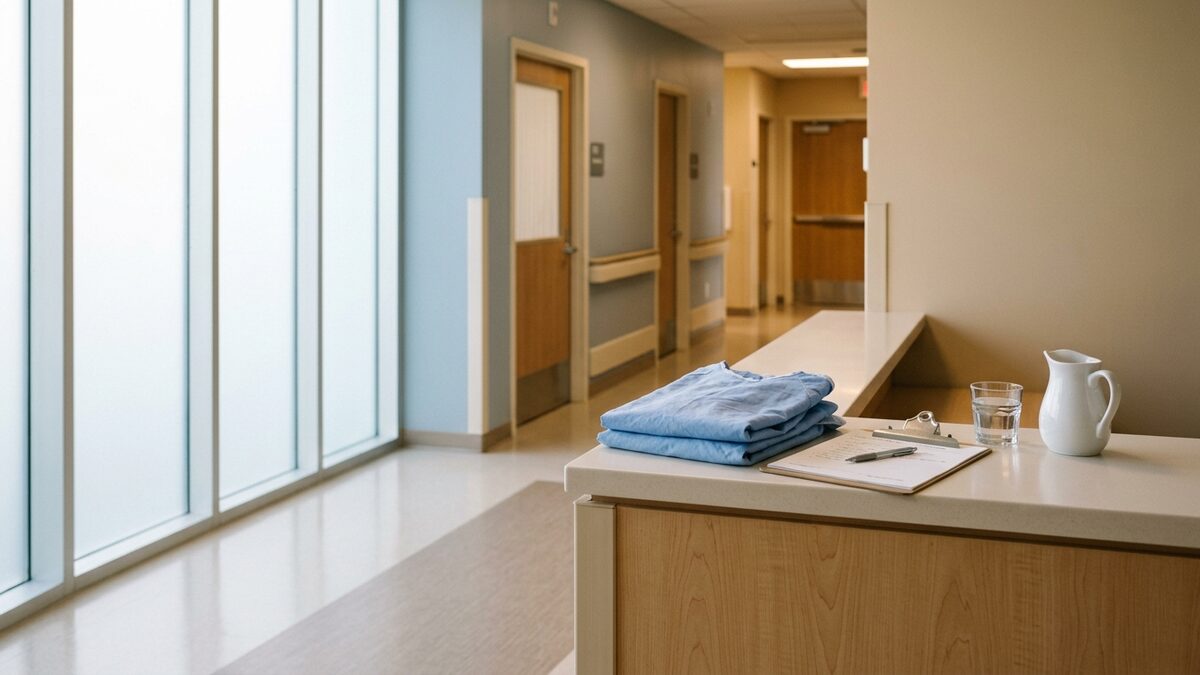
Outpatient endoscopy is performed at an ambulatory surgery center, meaning you arrive, complete the procedure, recover under observation, and go home the same day. There is no overnight stay in a typical case. The procedure uses a thin, flexible instrument with a camera to let providers examine the lining of the upper digestive tract or the colon, and in many cases to take small tissue samples or remove polyps during the same visit.
Because the schedule is compressed into a single day, the preparation you do at home is what makes the procedure window efficient and safe. Most of the instructions you receive exist to give the endoscopist a clear, unobstructed view and to reduce the small risks associated with sedation. Reading the packet your gastroenterologist provides, and calling with questions before the day arrives, is the single most useful thing you can do.
Why Fasting and Bowel Preparation Come First
Fasting is the foundation of a safe sedated procedure. An empty stomach lowers the chance that stomach contents move into the airway while you are sedated. For an upper endoscopy, providers commonly ask that you stop eating solid food several hours beforehand and stop clear liquids a shorter interval before arrival. The exact timing belongs to your care team, because it depends on the type of sedation planned and your individual history.
For a colonoscopy, bowel preparation is added on top of fasting. The colon must be as clear as possible for the camera to detect subtle changes, so the preparation involves a prescribed cleansing solution taken on a schedule, often split between the evening before and the early morning of the procedure. A split-dose approach tends to produce a cleaner result, which is why the timing can feel inconvenient. Staying near a bathroom during this window, keeping hydrated with approved clear liquids, and following the schedule closely all contribute to a study that does not need to be repeated.
If you take medications for an ongoing condition, ask specifically which ones to continue and which to hold. Blood-thinning agents, certain diabetes medications, and iron supplements often require adjustment before an endoscopic procedure, but the instruction is individual. Providers will weigh the reason you take a medication against the procedure plan; never stop a prescribed drug on your own assumption without confirming with the clinical team.
Sedation, Arrival, and the Ride Home
Most outpatient endoscopy is done with sedation so that you are comfortable and relaxed during the examination. Depending on the plan, this ranges from moderate sedation to a deeper anesthesia-directed approach. Because any level of sedation affects judgment and coordination for the rest of the day, the center will require a responsible adult to drive you home and, ideally, to stay with you for the first several hours. This is not a formality that can be waived at the desk. If you arrive without a confirmed ride, the procedure is usually postponed, so arranging that person in advance is part of the preparation itself.
Plan to arrive at the time given, not earlier and not late, and bring a photo ID, your insurance information, a current medication list, and the name of the person driving you home. Registration and a pre-procedure assessment come first: a nurse reviews your history, confirms your fasting and preparation, and places a small intravenous line for fluids and sedation. You will change into a gown, and the endoscopist or a member of the team will confirm the plan and answer last questions before you move to the procedure room.
The procedure window itself is often shorter than patients expect. An upper endoscopy commonly takes a matter of minutes; a colonoscopy generally runs longer, particularly if polyps are found and removed. You are monitored throughout, with attention to breathing, heart rate, and oxygen levels. Afterward, you recover in a quiet observation area while the sedation wears off, which typically takes a short while under nursing supervision before you meet the discharge criteria.
At discharge, the team reviews written instructions with you and, importantly, with the person accompanying you, since sedation can blur your own memory of the conversation. You may feel bloated or tired for the rest of the day, and mild cramping after a colonoscopy is common as trapped air passes. Providers will explain what is expected and which symptoms, such as significant bleeding, severe abdominal pain, fever, or persistent vomiting, warrant a prompt call. Plan a restful remainder of the day, keep your first meals light unless told otherwise, and avoid driving, signing legal documents, or making consequential decisions until the following day.
Biopsy or polyp results are not usually available at discharge. The center will explain how and when findings are communicated, whether through a follow-up call, a patient portal message, or a scheduled visit. Keeping that follow-up appointment matters as much as the preparation, because it is where any findings are put into the context of your overall health and next steps are decided.
Treating the preparation as part of the procedure, rather than an errand before it, tends to make the whole day calmer. The instructions from your gastroenterologist are specific to you and supersede any general description here; this orientation is meant only to make those instructions easier to follow.
This article is informational and is not medical advice. Treatment options and preparation specifics should always be made in consultation with a qualified physician.