
Outpatient Gallbladder Removal: What to Expect
A laparoscopic cholecystectomy performed at an ambulatory surgery center is a same-day procedure, which means most people arrive, have their surgery, and head home within the same visit. Knowing how the day is organized ahead of time tends to make the appointment feel more predictable.
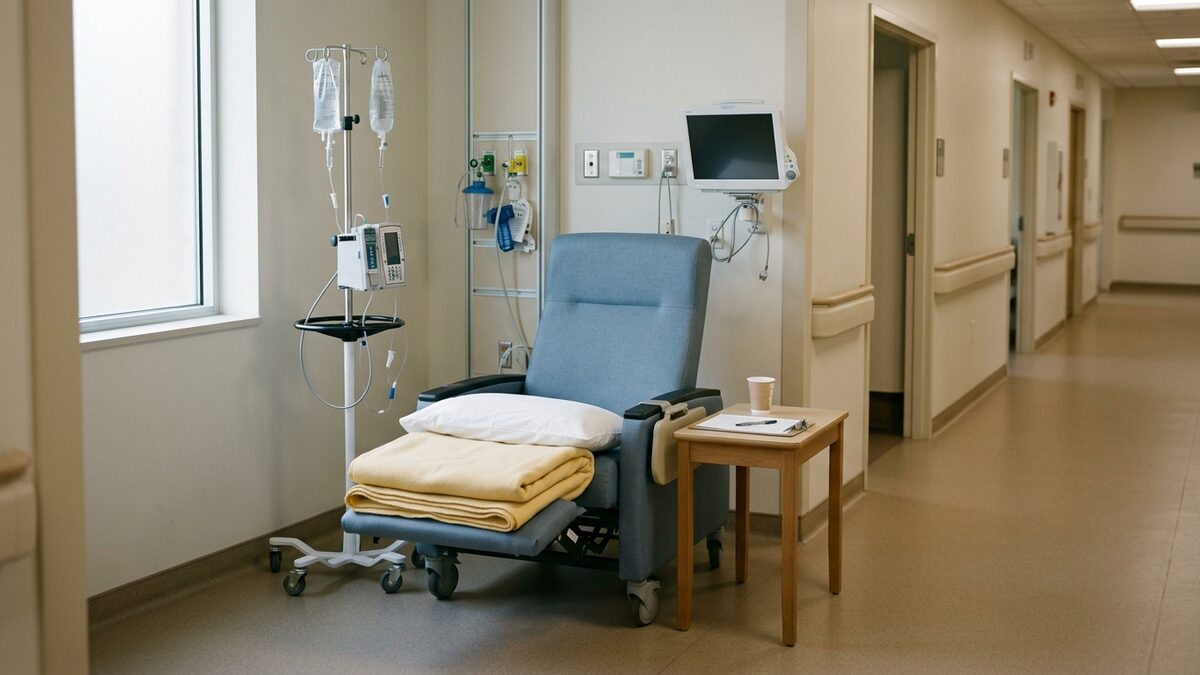
Candidacy for laparoscopic gallbladder removal is something the surgeon reviews with you at a consultation before anything is booked. That visit is where your medical history, current medications, and any prior abdominal surgeries are discussed, and it is the right place to ask whether an outpatient setting fits your situation. The ambulatory surgery center model is generally used when a procedure is expected to be straightforward and an overnight stay is not anticipated. Whether that applies to you is a determination your provider makes with you, not something to assume from a general article.
How outpatient gallbladder removal is scheduled
Once the procedure is on the calendar, the office typically walks you through the administrative pieces first. Our team verifies your insurance benefits, confirms whether the facility and the anesthesia group are in network, and gives you an estimate of what your plan is likely to cover versus what may fall to you. If a prior authorization is required, that request is usually submitted before your date is finalized, so it is worth asking early where things stand.
You will also receive pre-operative instructions. These commonly cover when to stop eating and drinking the night before, which of your regular medications to take or hold, and what time to arrive. Because the arrival window is often earlier than the surgery itself, the schedule builds in time for check-in and preparation. If any instruction is unclear, the pre-op nurse line is there for exactly that reason, and calling ahead is preferable to guessing.
On the day itself, you check in at the front desk and complete or confirm your paperwork, including consent forms and an updated medication list. From there you are brought to a pre-operative area where a nurse takes your vital signs, places an IV, and reviews your chart with you. You meet the surgeon again to confirm the plan, and you meet a member of the anesthesia team, who explains that general anesthesia is used for this procedure and answers questions about how you will be monitored. This is a normal moment to raise concerns about past reactions to anesthesia or about nausea.
Plan to bring a photo ID, your insurance card, a list of your medications and doses, and loose, comfortable clothing. Leave valuables and jewelry at home. Because you will not be able to drive afterward, arrange in advance for a responsible adult to take you home and, ideally, to stay with you for the first several hours.
What recovery after gallbladder removal looks like
After the procedure, you are moved to a recovery area where the nursing staff monitors you as the anesthesia wears off. Feeling groggy, chilly, or a little nauseated at first is common, and the staff manages your comfort during this window. Once you are alert, steady, and meeting the facility's discharge criteria, the team reviews your written go-home instructions with both you and the person driving you. The total time from arrival to discharge varies from person to person, so treat any single number you have heard as a rough guide rather than a promise.
Your discharge paperwork usually addresses activity, incision care, how to manage discomfort, and what to eat in the first day or two. Because you have had general anesthesia, you are advised not to drive, sign important documents, or make major decisions for the rest of that day. Most people are given a follow-up appointment or a phone number to schedule one, and keeping that visit lets your provider check the incision sites and answer questions that come up once you are home.
Recovery timelines differ, and the pace that is right for you is a conversation for your surgeon rather than a rule from an article. What the office can tell you plainly is when to reach out. Call the number on your discharge instructions, or seek urgent care, if you notice a fever, spreading redness or drainage at an incision, pain that is worsening rather than easing, persistent vomiting, or trouble keeping fluids down. Your instruction sheet lists the specific thresholds for your case, and the on-call line exists so you never have to decide alone whether something is worth a call.
If you are preparing for an outpatient gallbladder removal and still have questions about scheduling, insurance, or how your particular day will be organized, the office is glad to talk through the logistics before your date. Bringing a written list of questions to your pre-operative visit is one of the simplest ways to make sure nothing gets missed.
This article is informational and is not medical advice. Treatment options and recovery specifics should always be decided in consultation with a qualified physician.